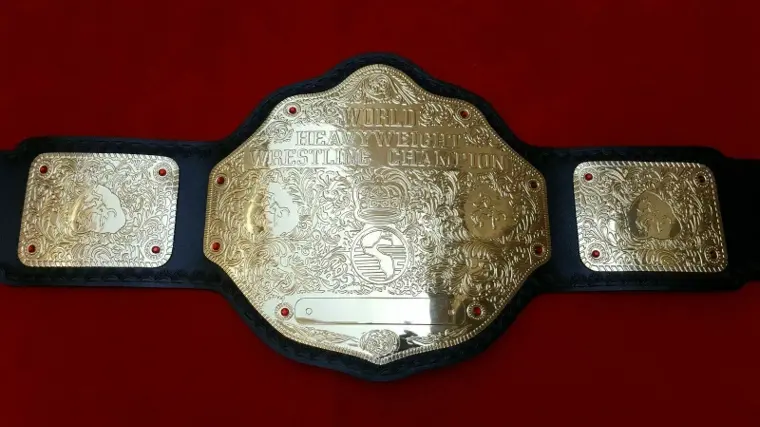
CRAFTSMANSHIP · OUR OWN WORKSHOP
How Much Does a Championship Belt Weigh?
Every figure on this page was measured in our own workshop, where we have been making these belts for six years. We could not find a single competitor who states a weight anywhere, so here are ours.
Measured weights
Weight is set almost entirely by the plates, not the strap. That is why a belt roughly triples in weight as the plate thickness goes from 2mm to 6mm.
Exact weights are being re-measured. We publish a figure only once we have weighed the belt ourselves, and our own product listings and our workshop notes currently disagree. Rather than print a number we are not certain of, we are putting a scale on each thickness. The figures go back here as soon as that is done.
Larger, more elaborate designs sit at the top of each range because there is simply more metal in them. A wide modern plate carries more mass than a compact classic one at the same thickness.
What the weight actually means. A 6mm belt over your shoulder is closer to a loaded toolbag than to a costume. It is the clearest single answer to whether a belt is a toy: a toy belt is moulded plastic and weighs a few hundred grams. Ours is metal, and you feel it.
Three ways a design gets onto a plate
People often assume plates are simply stamped. They are not. There are three genuinely different processes, and they produce different depth, different precision and different weight.
1. Hand etching, for brass and zinc
The design is etched into the metal by hand. Acid removes the areas that are not masked, leaving the design standing in relief.
Zinc etches deeper than brass. Same process, same time, deeper cut. The reason is chemistry: zinc is highly reactive on its own, while brass is a copper and zinc alloy, and copper is far less reactive. The copper moderates the reaction, so brass resists the acid more and the relief comes out shallower. Depth is what you see when light crosses the plate, which is why zinc reads sharper on a wall.
2. Machine etching, for CNC and gold-plated
Here the design is cut by machine rather than by hand. That buys precision a hand cannot match, and it can go deeper still. Fine lettering, tight repeating texture and very small detail survive at a size where hand work starts to lose them.
3. Die casting, for the thickest plates
A mould is made first, then molten metal is poured into it and the plate comes out as one solid cast piece rather than being cut down from sheet stock. Die-cast plates are usually the thickest we make. They are used mostly on boxing belts, and on some wrestling belts.
Casting suits a sculpted, three-dimensional design, because the shape is formed rather than carved. It is how the originals of several classic titles were built.
So which should you choose?
- Brass is our entry plate. Real metal, real weight, shallower relief than zinc.
- Zinc gives you deeper etching for the same hand process, so the design reads stronger from across a room.
- Gold plated and CNC are machine cut, so the precision and depth go further again. This is the top of what we make.
- Casted plates are the thickest and heaviest, and are how boxing titles are built.
If you want one line to decide on: thicker plate means heavier belt and deeper design, and zinc beats brass on depth at the same thickness.
Shop the Belts in This Guide
Handcrafted to order, free tracked delivery.
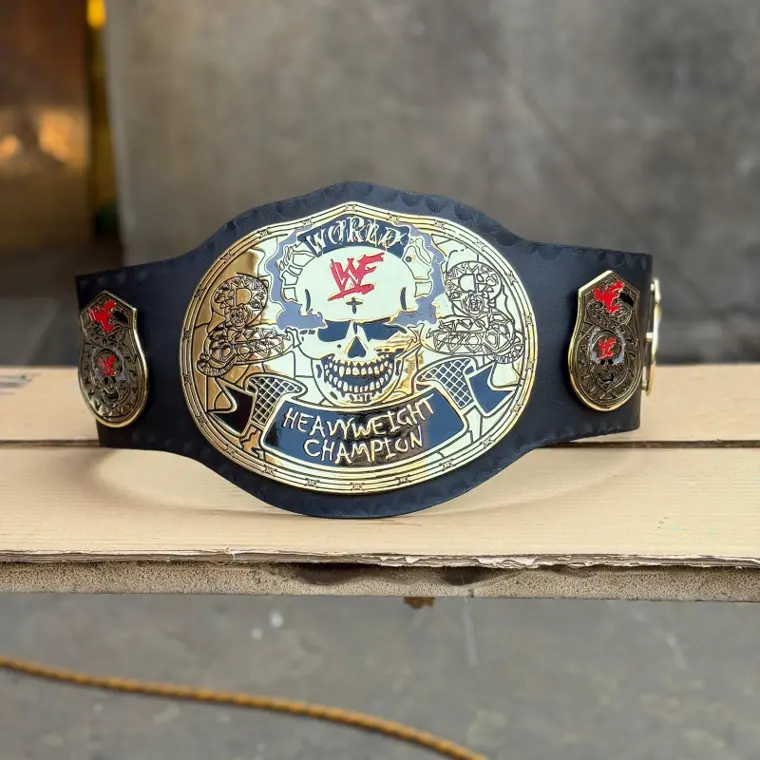


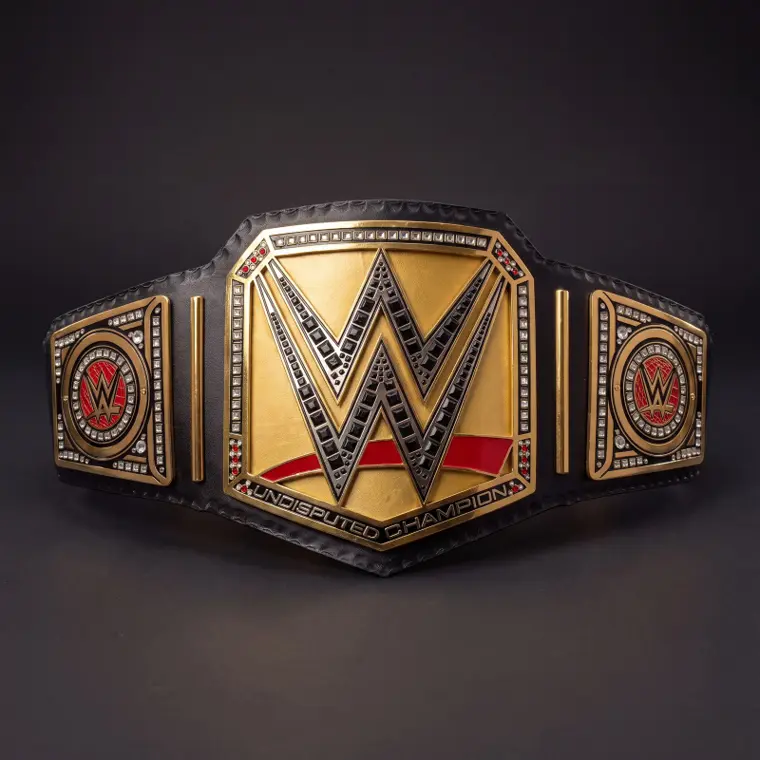
Shop the Belts in This Guide
Handcrafted to order, free tracked delivery.